
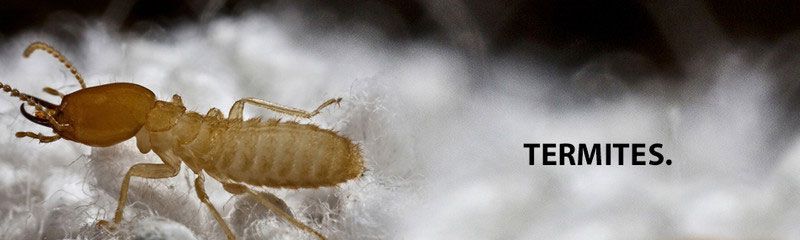
Termites
How To Identify And Prevent Termite Infestations | with entomologist "Shep"
Did you know that subterranean termites cause 95% of the billions of dollars in structural damage across the U.S. every year? Join Rose Pest Solutions as we uncover the hidden world of these silent, highly destructive pests!
In this video, we dive deep into the secret lives of termites. While they might superficially look like small white ants, these wood-destroying insects are a completely different threat. We break down how their colonies function, what they actually eat, how to spot the early warning signs of an infestation, and why you should never try to tackle them on your own.
What You’ll Learn in This Video:
Termite Identification & Colony Life: Learn how to identify these small white insects and understand their highly organized social structure—from the workers and soldiers to the winged reproductives called "swarmers" (or alates).
Termites vs. Flying Ants: How to easily tell the difference between an ant swarmer and a termite swarmer (hint: look for the elbowed antennae and a pinched waist!).
What Do Termites Eat?: Discover their insatiable appetite for cellulose. They don't just eat the lumber in your walls; they'll devour cardboard, furniture, cotton clothes, blue jeans, and even your tax records!
Types of Termites: We explain the three basic kinds of termites in the U.S.—Subterranean, Drywood, and Dampwood—and why Subterranean termites are the primary threat here in the Great Lakes region and across North America.
Signs of Termite Damage: Learn how to spot their protective "mud tubes" on your foundation, how to identify termite-damaged wood (which often has bits of mud inside), and why finding a pile of shed wings means trouble. Because they stay hidden inside their mud tunnels and inside your walls, termites can do massive amounts of damage before you even know they are there. Proper termite control and elimination should always be left to the professionals—we know exactly what to look for!
Video Transcript: How to Identify Termites in the Great Lakes Region
What are termites? Termites are small, white insects. They live in colonies like ants, and they superficially look like ants, but they're white, and ants are never white. Termites are very social insects. They work together as a household to provide food, water, and shelter so their colony can reproduce and swarm off to start new colonies.
Termites feed on cellulose which is found in plants. And so they also feed on materials that contain cellulose like lumber and cotton fibers like clothes, blue jeans, paper, cardboard, furniture, tax records, money, anything that used to be a tree.
In the US, we have three basic kinds of termites. Subterranean termites live in the soil. Drywood termites live completely within dry wood. and dampwood termites that live in soft rotting wood. Here in the Great Lakes region, we only have subterranean termites, but occasionally drywood termites are brought here from the West or the Southeast. Subterranean termites are the most common in North America and cause 95% of the billions of dollars in damage in the US each year.
Termites are social insects and live in a colony comprised of a king and a queen to produce young workers to uh do all the work and soldiers to defend the colony without thought for their own lives. There's also supplemental reproductives that are like assistants to the queen. A mature colony will produce male and female reproductives with wings called aates or just swarmers. This is simplified, but it helps non-bug people to understand it.
Subterranean termites are quite dependent on moisture and live in the soil so they won't dry out. When they travel outside of the soil, they build protective tubes to keep the moisture in and to protect them from enemies, the ants mostly. We rarely see the termites unless we break into their tunnels, and they can do a lot of damage before anyone even knows they're there.
The most notable signs of termites are the mud tubes in the swarmers. After that, we occasionally see damaged wood. You can tell termite damaged wood because there's always bits of mud tubes in and around their galleries. Swarmers aren't white like the other casts, but they're dark. You can tell the difference between termite swarmers and ant swarmers because ant swarmers have elbowed antenny and one or two blocky segments separating the thorax from the abdomen. The termite swarmers will shed their wings quickly after their flight. The pile of shed wings often easy to notice.
Finding termites usually requires a termite inspection. This is a careful, exacting search of a home or a building should be left to the professionals. We know what to look for, and the more you know, the more you see.