
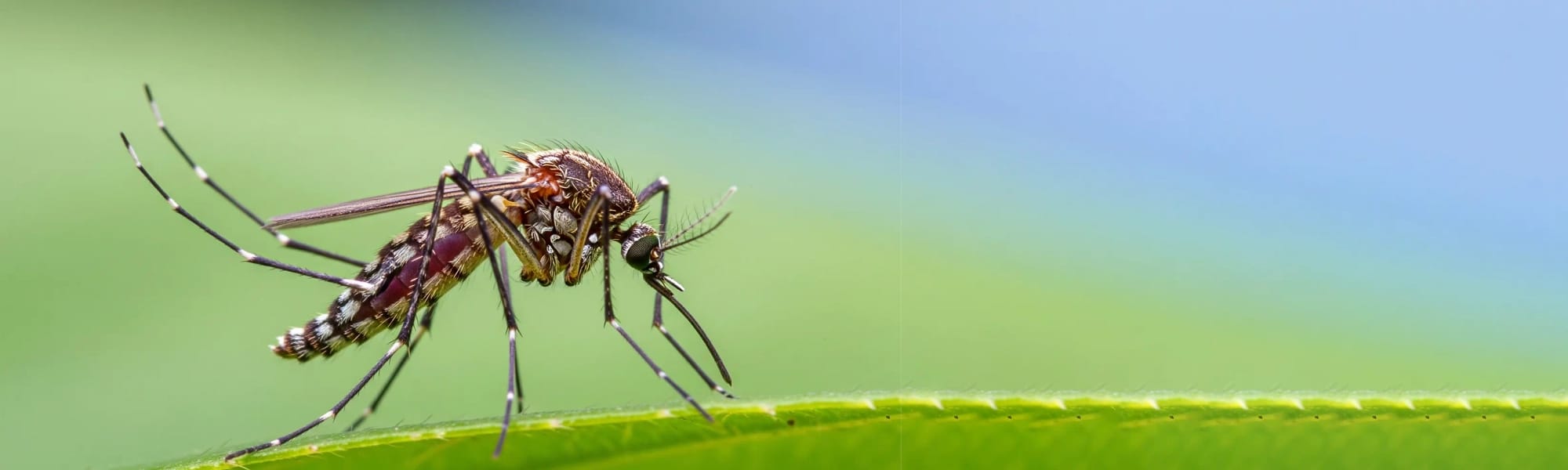
How To Identify Mosquitoes
All About Mosquitoes! Facts, Prevention & Why They Bite | with Entomologist "Shep"
In this video, we explore the fascinating—and frustrating—world of these common summer pests. Mosquitoes are actually a type of fly. But there's a lot more to these insects than just itchy bites! Shep breaks down the differences between male and female mosquitoes, the different mosquito species in our territory, and their specific feeding habits.
What You’ll Learn in This Video:
Mosquito Facts & Identification:
Why mosquitoes are classified as flies and how to identify their unique physical traits.
Which Mosquitoes Bite?
Why females need blood while males stick to plant juices, and why some species target humans while others prefer birds, reptiles, or amphibians.
When Do Mosquitoes Come Out?
Understanding the different biting times across species—from night and day biters to those that only strike at dawn and dusk. Mosquito Breeding & Life Cycle: Discover why all mosquito larvae are aquatic, how they breed in everything from dirty summer floodwaters to snowmelt, and why they need still water to emerge as adults.
Mosquito-Borne Diseases & Prevention Tips:
While bites affect everyone differently, the diseases they carry can be severe. Learn expert pest control tips to protect yourself, including how to eliminate standing water, wear protective clothing, and use effective mosquito repellent.
Don't let mosquitoes ruin your time outdoors! The best mosquito prevention starts with eliminating their breeding grounds.
Transcript: Understanding Mosquitoes: Habits, Breeding, and Prevention
Mosquitoes are actually a type of fly, and they're recognized by their thin bodies and scaly wings, as well as their long legs and the long, probing proboscis that they use to suck blood; and, well, mosquitoes look like mosquitoes and not much else does. And yes, it's true. Only the females suck blood. The males only suck plant juices.
There are dozens of species throughout our territory, but only about a dozen will actually bite humans. Some mosquitoes only bite birds; some only bite reptiles and amphibians. Also, there are mosquitoes that only bite at night and those that only bite during the day, and some that only bite during dawn and dusk when it's neither night nor day.
All mosquitoes lay their eggs in water, and all mosquito larvae are aquatic. When it rains, we aren't long before the mosquitoes are going to show up. Some species breed in dirty water. Others live in the relatively clean water of summer flooding. The first mosquitoes of the year are usually snowmelt mosquitoes that only develop in pools of snowmelt called vernal pools. No matter where the water is, they need the water to be still in order to emerge as adults.
The best prevention is always to eliminate or minimize standing water. Mosquito bites affect different people differently, but mosquito-borne diseases can be devastating. Not all mosquitoes transmit all diseases. Only certain mosquitoes can transmit diseases. With such a wide variety of sources, feeding times, hosts, and consequences of their bites, it's best to eliminate standing water, wear protective clothing and repellent, and avoid getting bitten as much as possible.